Signs and Symptoms of Hantavirus Infection
Early symptoms look like the flu
Both hantavirus diseases start with symptoms that are easy to mistake for a common flu: fatigue, fever, muscle aches (often in the thighs, hips, and back), headache, chills, dizziness, and gastrointestinal complaints such as nausea, vomiting, diarrhea, or abdominal pain.
Onset timing differs by disease. Symptoms of hantavirus pulmonary syndrome (HPS) typically appear one to eight weeks after exposure, while hemorrhagic fever with renal syndrome (HFRS) usually begins 12 to 16 days after exposure.
Hantavirus pulmonary syndrome (HPS)
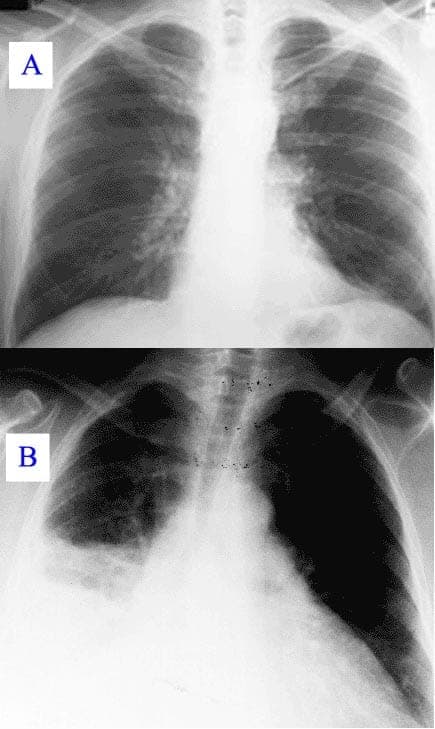
After the initial flu-like phase, HPS can progress within about ten days to a cardiopulmonary phase: coughing, shortness of breath, a rapid or irregular heartbeat, fluid buildup in the lungs, and dropping blood pressure. This stage can escalate to respiratory failure and is a medical emergency.
Hemorrhagic fever with renal syndrome (HFRS)
HFRS moves through five recognized phases — febrile, hypotensive, oliguric, diuretic, and recovery. Its hallmark is kidney involvement: swelling of the kidneys, protein in the urine, and blood in the urine, often alongside lower back pain.
In more severe cases, patients can develop petechiae (small hemorrhages under the skin) and, rarely, respiratory hemorrhaging. The hypotensive phase brings a sudden drop in blood pressure that typically lasts one to three days.
When to seek emergency care
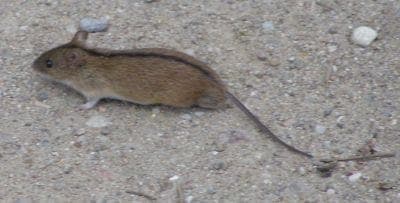
Fever, severe muscle aches, and shortness of breath following possible rodent exposure — entering a cabin, shed, or storage area with signs of rodent activity, for example — warrant immediate medical attention. Both HPS and HFRS can turn critical within days, and outcomes are strongly tied to how early supportive treatment begins.
Sources & licensing
- Wikipedia — Hantavirus Pulmonary Syndrome — CC BY-SA 4.0
- Wikipedia — Hemorrhagic Fever with Renal Syndrome — CC BY-SA 4.0
- MedlinePlus (U.S. National Library of Medicine) — Hantavirus Infections — Public domain (U.S. government work)
Last reviewed August 7, 2026. Content on this page is adapted, not copied verbatim, from the sources above. See /sources for full licensing details.