Hantavirus Pulmonary Syndrome (HPS)
What is HPS?
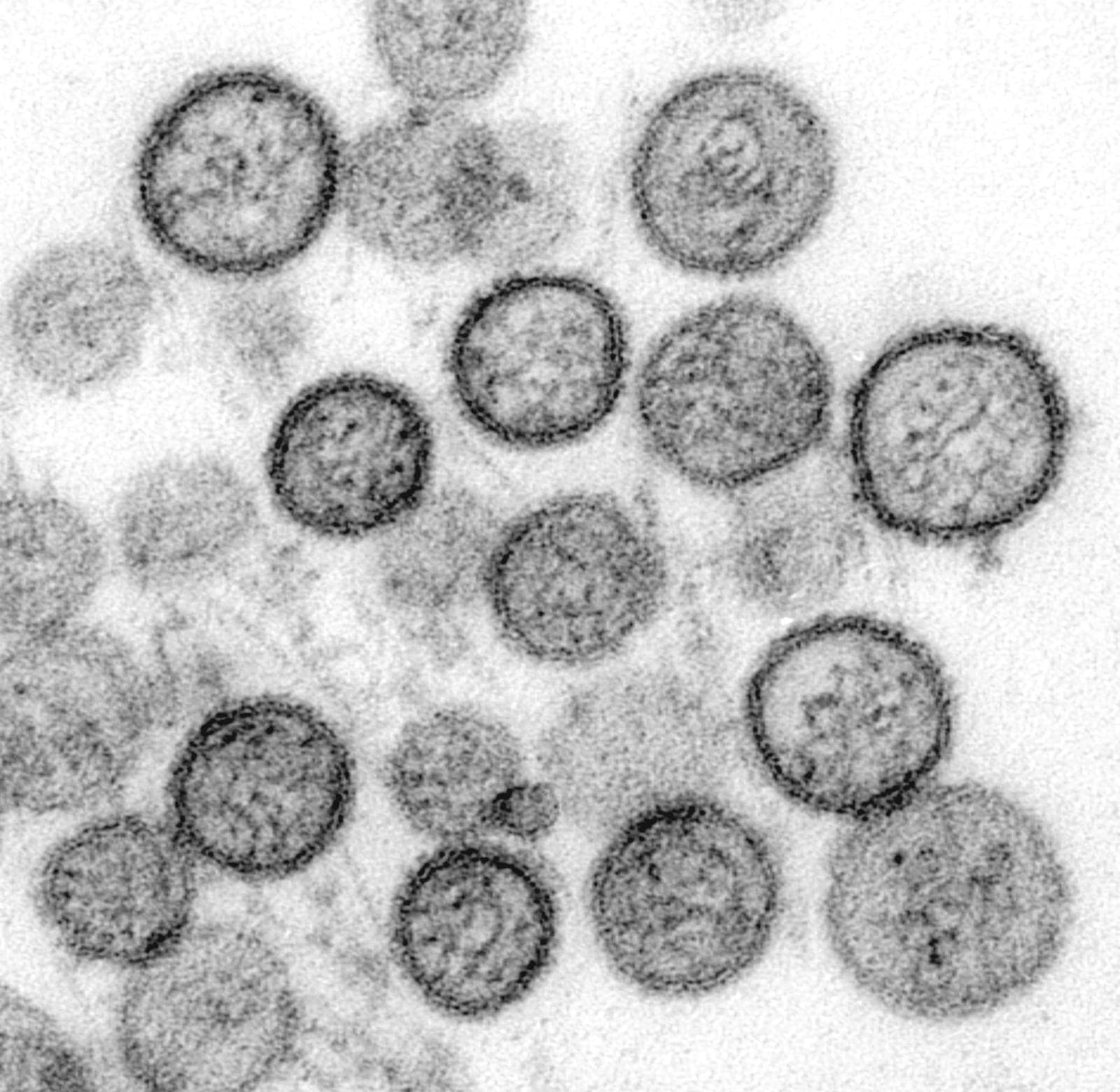
Hantavirus pulmonary syndrome is a severe respiratory illness caused by New World hantaviruses, chiefly Sin Nombre virus in North America and Andes virus in South America. The virus primarily targets vascular endothelial cells and macrophages, driving increased vascular permeability, a drop in platelet count, and an overactive immune response.
Infected cells ramp up production of vascular endothelial growth factor (VEGF), which makes blood vessels leakier. Virus particles clustering on the surface of endothelial cells also disrupt normal clotting, contributing to tissue damage.
The three phases
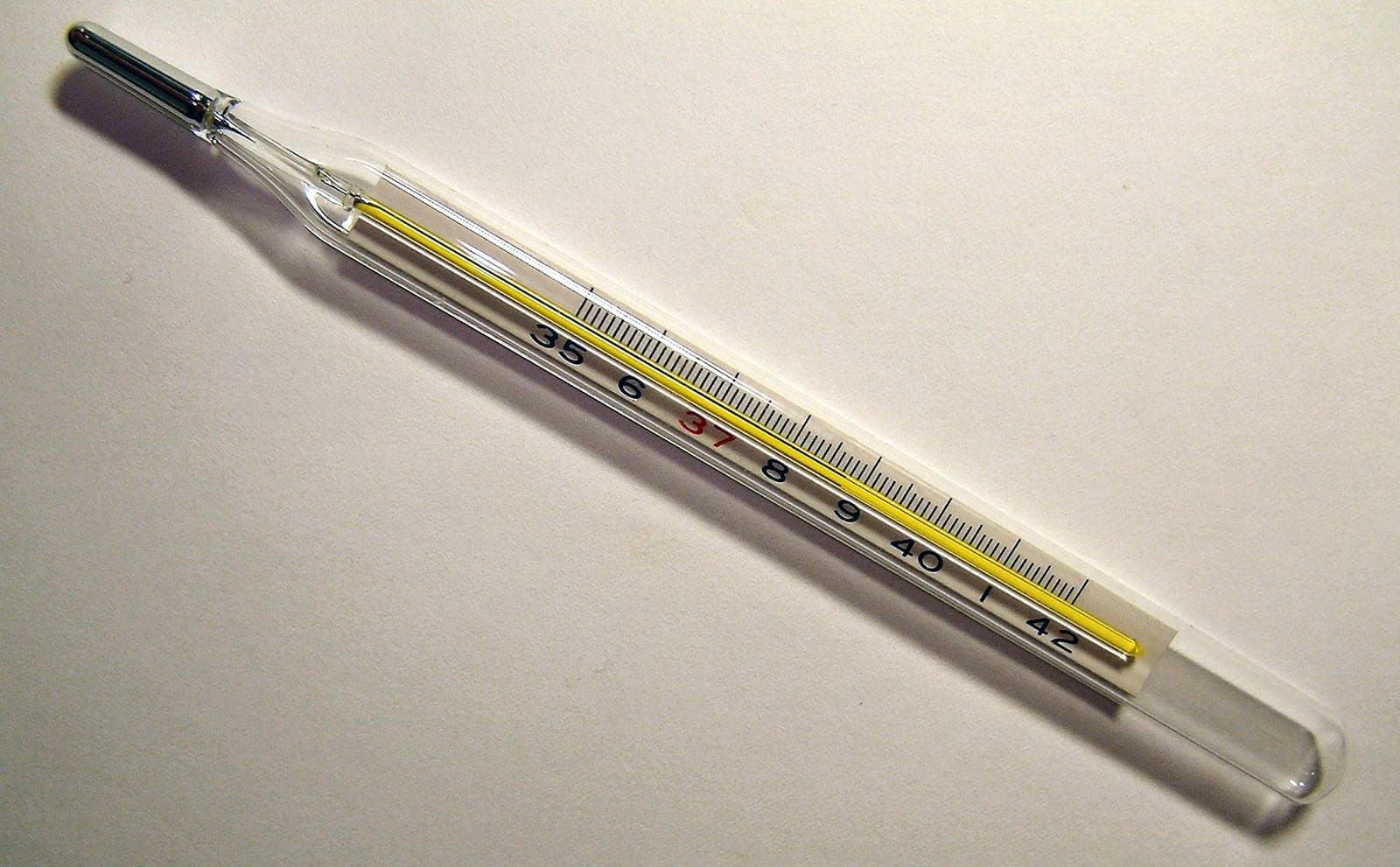
The prodromal phase lasts one to five days and brings fever, headache, muscle pain, nausea, vomiting, dizziness, chills, coughing, shortness of breath, and a falling platelet count.
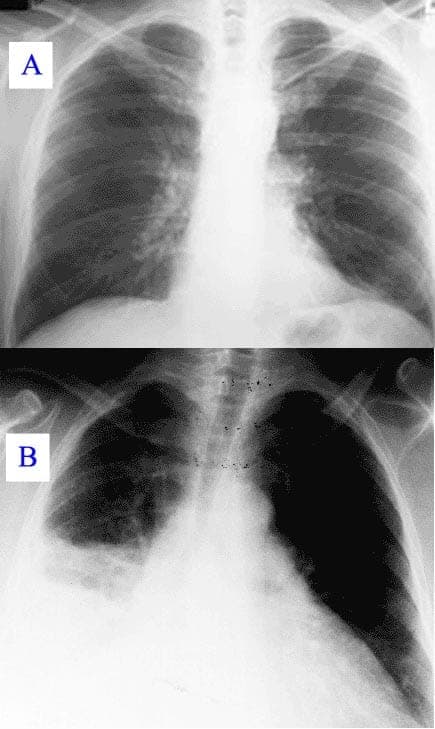
The cardiopulmonary phase can begin within about ten days and is the most dangerous stage: a rapid or irregular heartbeat, cardiogenic shock, fluid buildup in the lungs, low blood pressure, and potential respiratory failure. Death, when it occurs, is typically sudden and happens two to ten days after symptoms first appear.
The recovery phase can take months. Breathing difficulties have been reported to persist for up to two years in some patients.
How common and how deadly
North America sees dozens of Sin Nombre virus cases annually; South America sees more than 100 cases a year, mostly from Andes virus. Case counts track the range and population of the reservoir rodents, which in turn respond to rainfall, temperature, and humidity.
Overall case fatality for HPS is generally cited at 30% to 60%. Sin Nombre virus infections carry roughly a 30% to 35% fatality rate; Andes virus infections roughly 40%.
The 1993 Four Corners outbreak
In 1993, a cluster of unusually severe and often fatal acute respiratory distress syndrome cases appeared in the Four Corners region of the southwestern United States, an event linked to a rodent population surge following heavy El Niño-driven rainfall. Investigation traced the outbreak to a previously unrecognized hantavirus, later named Sin Nombre virus, marking the first identification of hantavirus pulmonary syndrome as a distinct disease.
Diagnosis and treatment
Diagnosis combines exposure history and clinical presentation with laboratory detection of hantavirus nucleic acid, viral proteins, or specific antibodies, alongside supporting findings like thrombocytopenia and elevated creatinine.
No antiviral drug is proven broadly effective — ribavirin and favipiravir have shown only limited benefit. Treatment is intensive supportive care: continuous cardiac monitoring and respiratory support, including mechanical ventilation, ECMO, or hemofiltration as needed.
Sources & licensing
- Wikipedia — Hantavirus Pulmonary Syndrome — CC BY-SA 4.0
Last reviewed August 7, 2026. Content on this page is adapted, not copied verbatim, from the sources above. See /sources for full licensing details.