Preventing Hantavirus Infection
Rodent-proof where you live and work
Because infection is driven by contact with rodents and their waste, the single most effective prevention strategy is controlling rodents in and around buildings: sealing gaps and entry points, storing food and garbage in rodent-proof containers, keeping storage areas tidy, and trapping rather than letting an infestation build up unmanaged.
Take care before and while cleaning rodent-infested spaces
Spaces that have been closed up for a while — cabins, sheds, barns, garages, storage units — should be aired out before anyone spends extended time inside or begins cleaning, since disturbed dust in an enclosed space can carry infectious particles.
Health authorities generally advise against dry-sweeping or vacuuming areas with visible rodent droppings or nesting material, since that can stir contaminated dust into the air. Wearing gloves and using a wet-cleaning approach with a disinfectant is the safer, commonly recommended alternative. For detailed, step-by-step cleanup guidance, see the CDC's official instructions.
Camping, hiking, and cabins
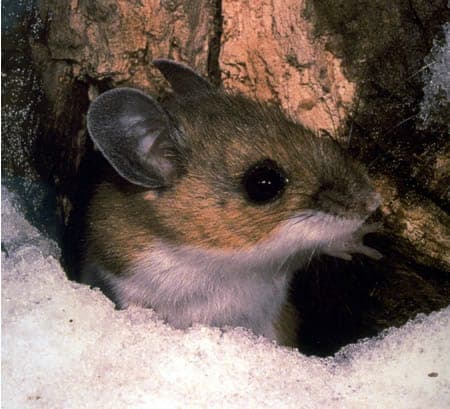
Outdoors, avoid sleeping directly on bare ground in areas with visible rodent activity, keep food sealed and stored away from sleeping areas, and don't handle wild rodents — dead or alive — with bare hands. Be extra cautious in cabins or outbuildings that have sat empty, since rodents often move in during unoccupied periods.
Higher-risk occupations
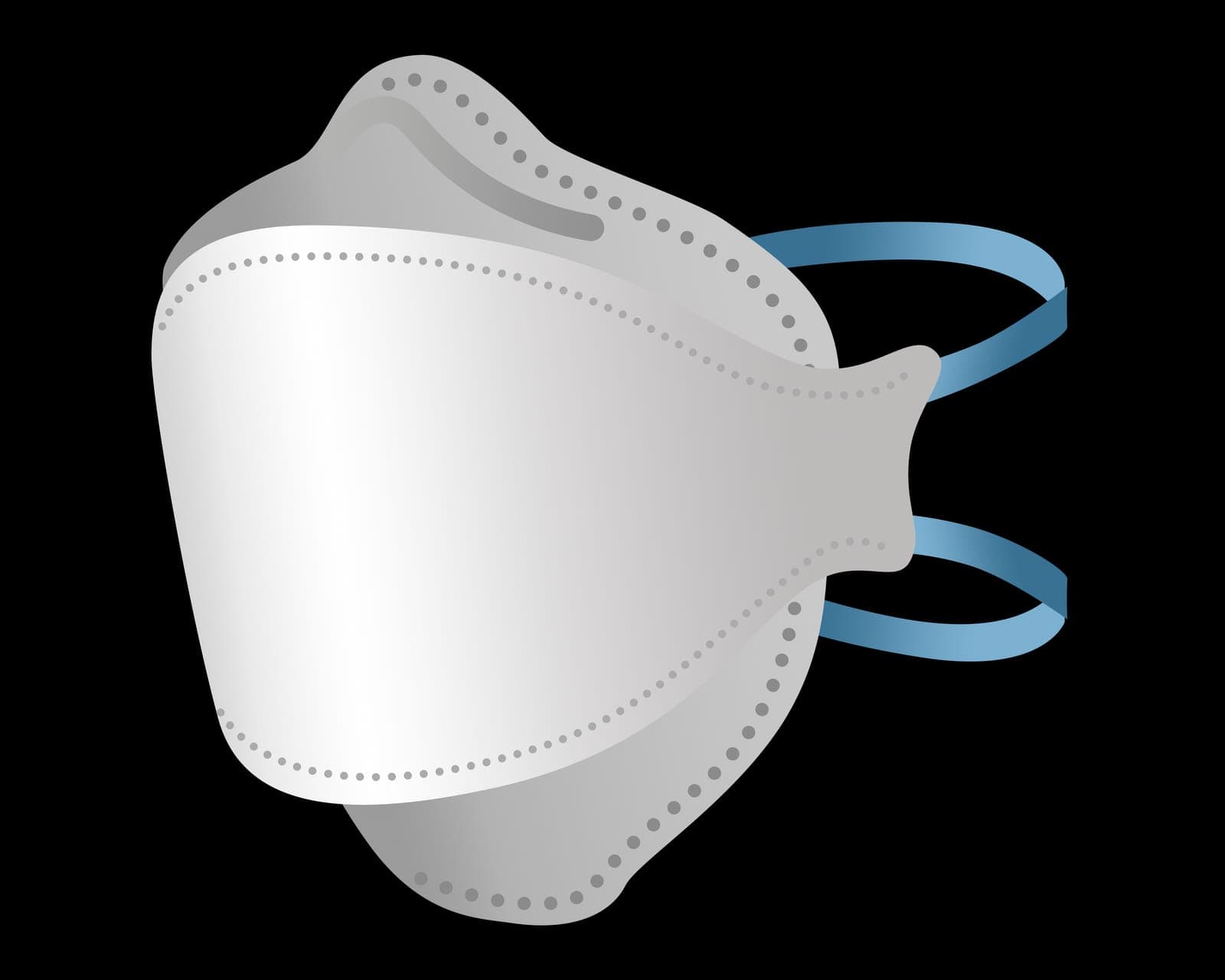
Farming, forestry, construction, pest control, and any work that regularly involves entering rodent-infested structures carries elevated exposure risk. Occupational safety guidance for these settings typically calls for gloves and, in higher-risk situations, a properly fitted respirator when disturbing potentially contaminated material.
Sources & licensing
- MedlinePlus (U.S. National Library of Medicine) — Hantavirus Infections — Public domain (U.S. government work)
- Wikipedia — Hantavirus — CC BY-SA 4.0
- CDC — Hantavirus Prevention — Public domain (U.S. government work)
Last reviewed August 7, 2026. Content on this page is adapted, not copied verbatim, from the sources above. See /sources for full licensing details.