What Is Hantavirus? An Overview

What is a hantavirus?
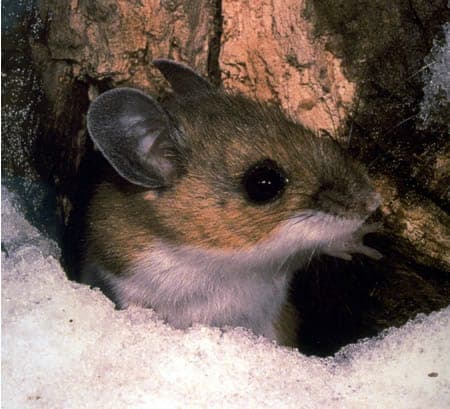
Hantaviruses belong to the genus Orthohantavirus, part of the family Hantaviridae. They circulate naturally in rodent populations, and in most cases each hantavirus species is closely tied to a single rodent host species that carries it without becoming seriously ill itself.
The genus was called simply "Hantavirus" until 2017, when it was renamed Orthohantavirus as part of a broader reorganization that elevated the bunyaviruses to their own taxonomic order. Scientists currently recognize 37 species within the genus.
Two disease groups, two virus groups
Hantaviruses that infect people cause one of two serious illnesses. Old World hantaviruses — found across Africa, Asia, and Europe, including Hantaan virus, Seoul virus, Puumala virus, and Dobrava-Belgrade virus — cause hemorrhagic fever with renal syndrome (HFRS).
New World hantaviruses — found in the Americas, including Sin Nombre virus and Andes virus — cause hantavirus pulmonary syndrome (HPS). Both diseases share an underlying mechanism: increased permeability of blood vessels, a drop in platelet count, and an overactive immune response.
How serious is it?
HFRS is fatal in roughly 1% to 15% of cases, depending on which virus is responsible. HPS is considerably more dangerous, with a case fatality rate generally cited at 30% to 60%.
There is no cure and no antiviral drug proven broadly effective against either disease. A vaccine against Hantaan-type viruses (Hantavax) has been licensed in South Korea since 1990, but no vaccine is widely available for the viruses that cause HPS in the Americas. Survival depends heavily on getting supportive medical care early.
Why exposure happens
Because each hantavirus tends to travel with one primary rodent reservoir, where a given hantavirus turns up geographically largely mirrors where its host rodent lives. Human infections are almost always linked to contact with rodents or spaces they've occupied — barns, sheds, cabins, and homes with rodent activity — rather than to contact with other infected people.
Sources & licensing
- Wikipedia — Orthohantavirus — CC BY-SA 4.0
- MedlinePlus (U.S. National Library of Medicine) — Hantavirus Infections — Public domain (U.S. government work)
Last reviewed August 7, 2026. Content on this page is adapted, not copied verbatim, from the sources above. See /sources for full licensing details.